JAMEOS DEL AGUA – THE UNDERGROUND ART OF LANZAROTE
The Jameos del Agua are one of César Manrique’s masterpieces and one of the most surprising places in Lanzarote. They are located in the north of the island, inside a volcanic tube originated by the eruption of the La Corona volcano more than 4,000 years ago.
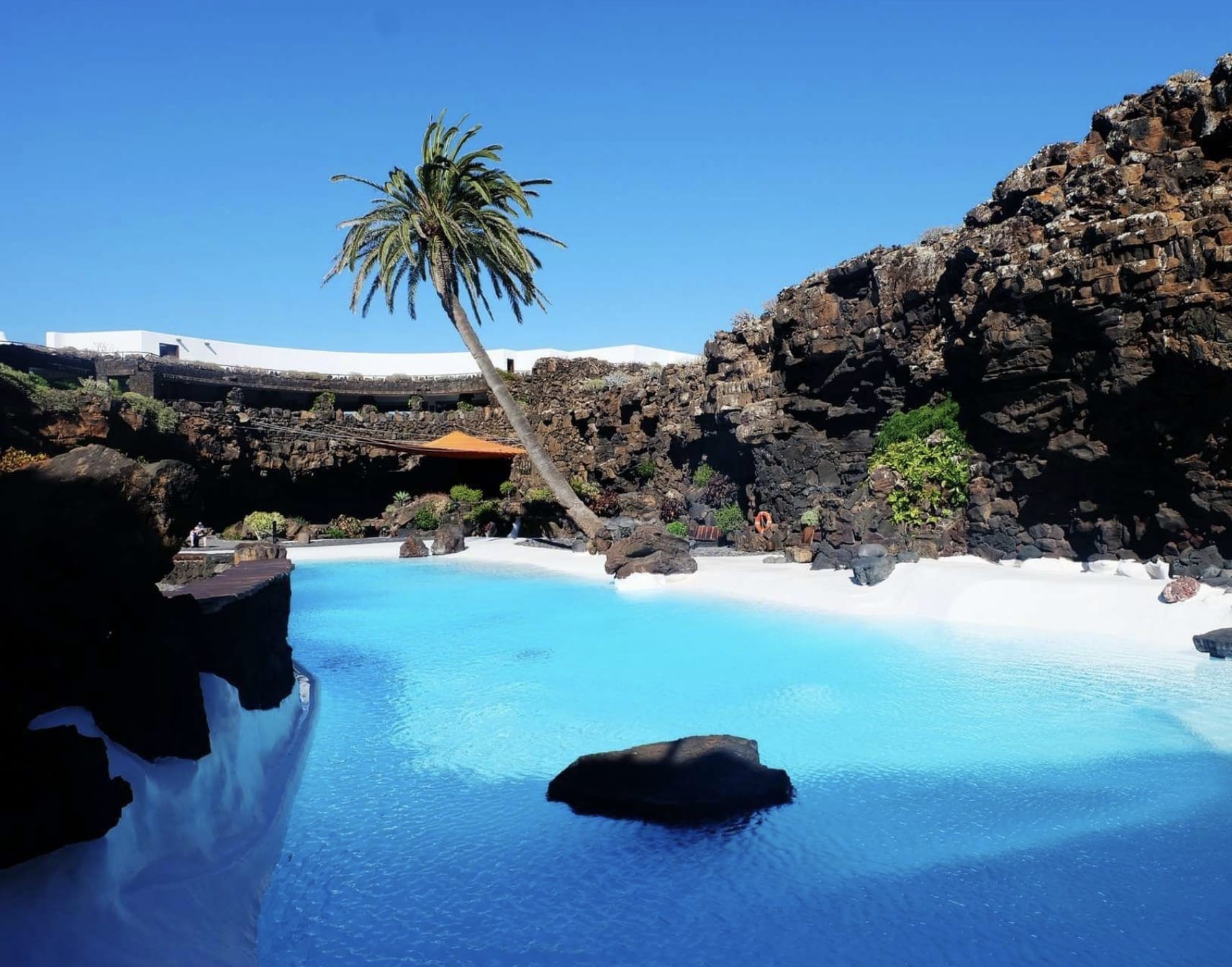
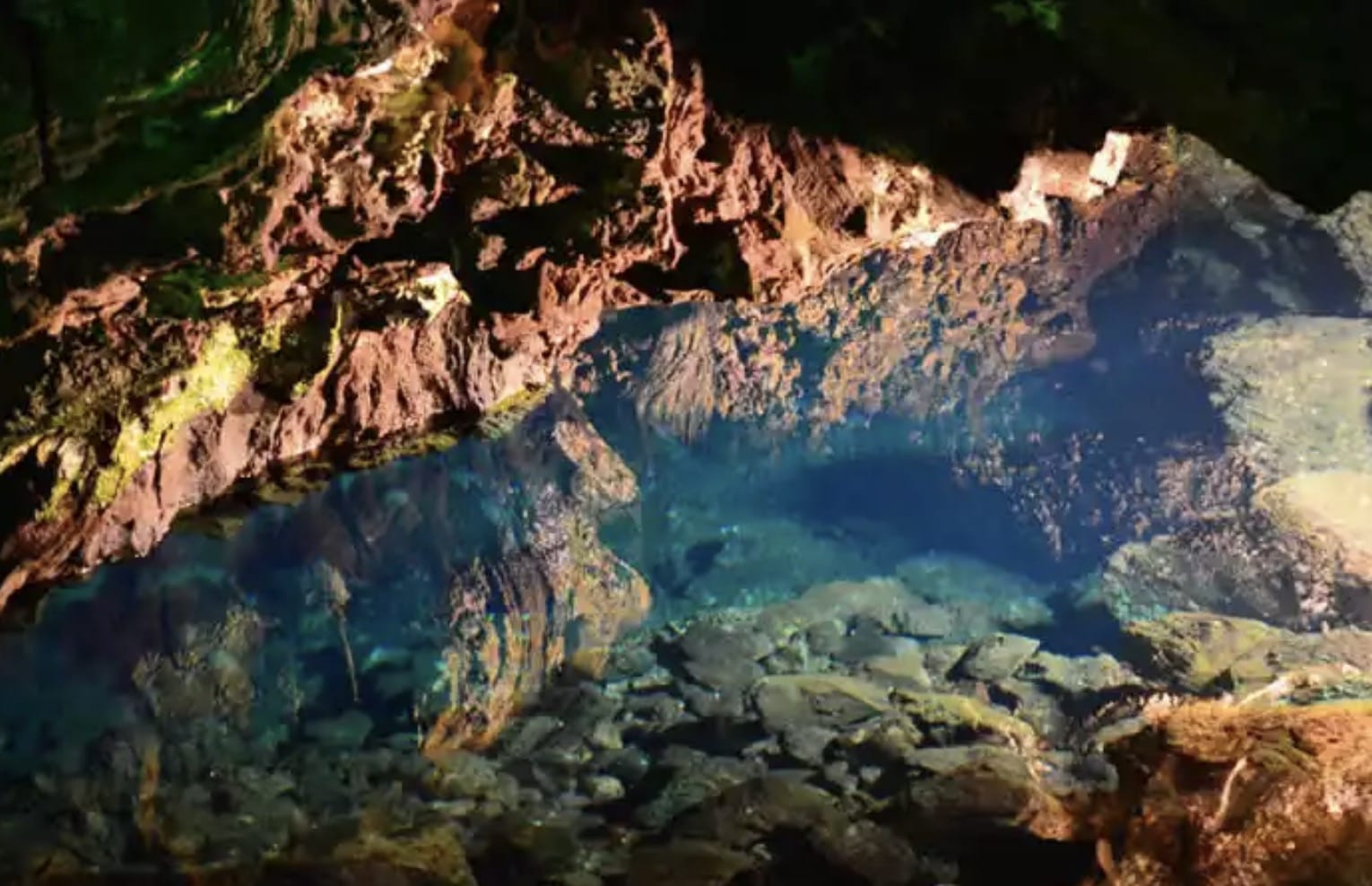
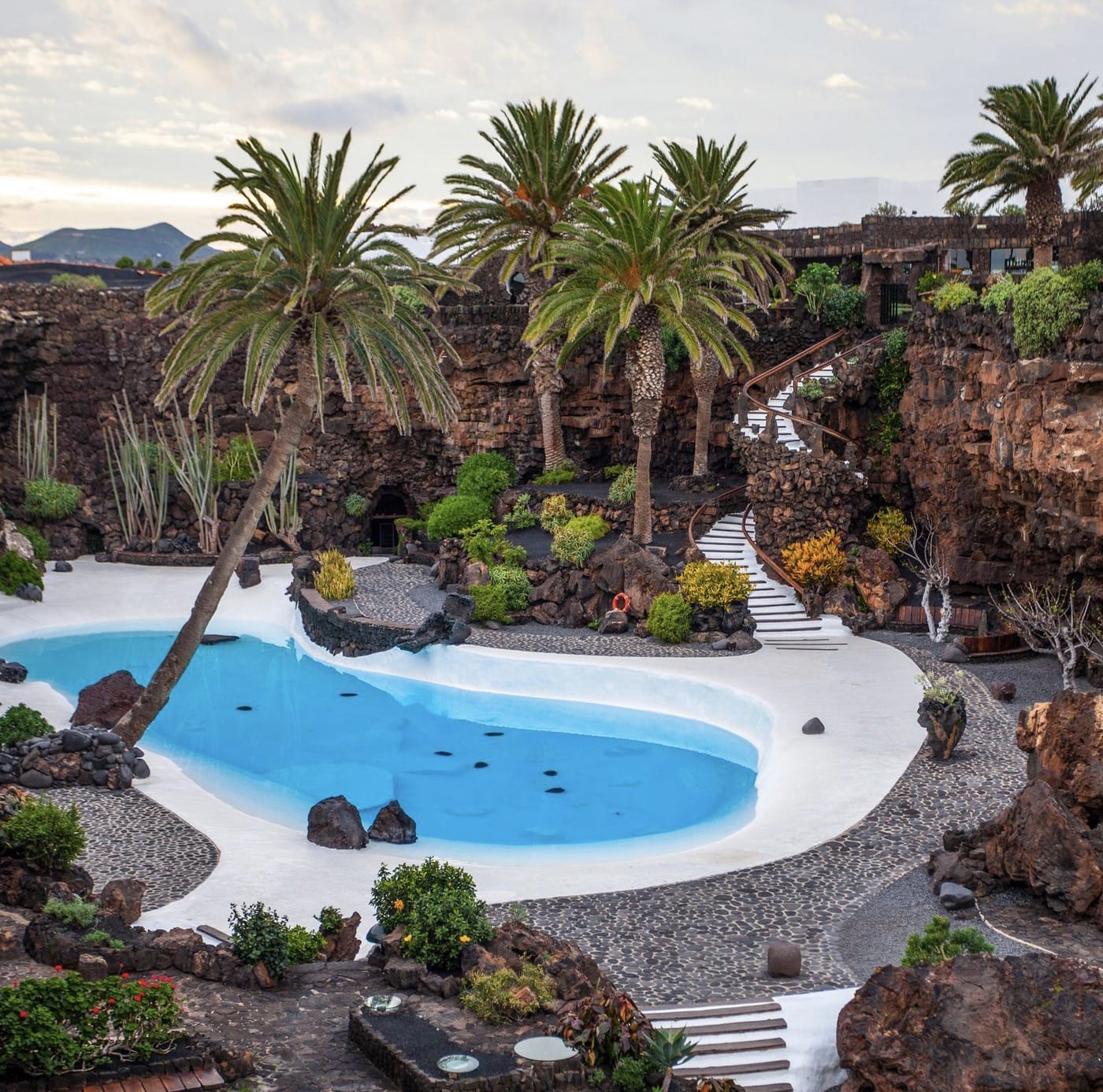
This unique space combines nature, art and architecture, creating an underground landscape where man and the volcano coexist in perfect harmony. The natural lakes, the illuminated caves and the white swimming pool make for an unforgettable visual experience.
César Manrique converted this ancient volcanic tube into a cultural space that respects the natural environment and highlights the beauty of the landscape. In its interior lives a unique species in the world: the blind albino crabs, a symbol of this enclave. The contrast between the black volcanic stone, the white walls and the blue water creates a dreamlike setting.
Visiting the Jameos del Agua is delving into the essence of Lanzarote: art, nature and respect for the volcanic environment. It is a place that surprises both for its beauty and its serenity.
JAMEOS DEL AGUA IMAGE GALLERY
DISCOVER THE JAMEOS DEL AGUA
The Jameos del Agua are much more than a cave: they are a living work of art where you can enjoy concerts, exhibitions and cultural events. Its natural acoustics are impressive, and the underground auditorium is considered one of the most beautiful in the world.
The tour includes several connected spaces: the Jameo Chico, which serves as an access; the Jameo Grande, with its famous turquoise swimming pool; and the Jameo de la Cazuela, where the auditorium is located. Everything designed under Manrique’s aesthetic vision.
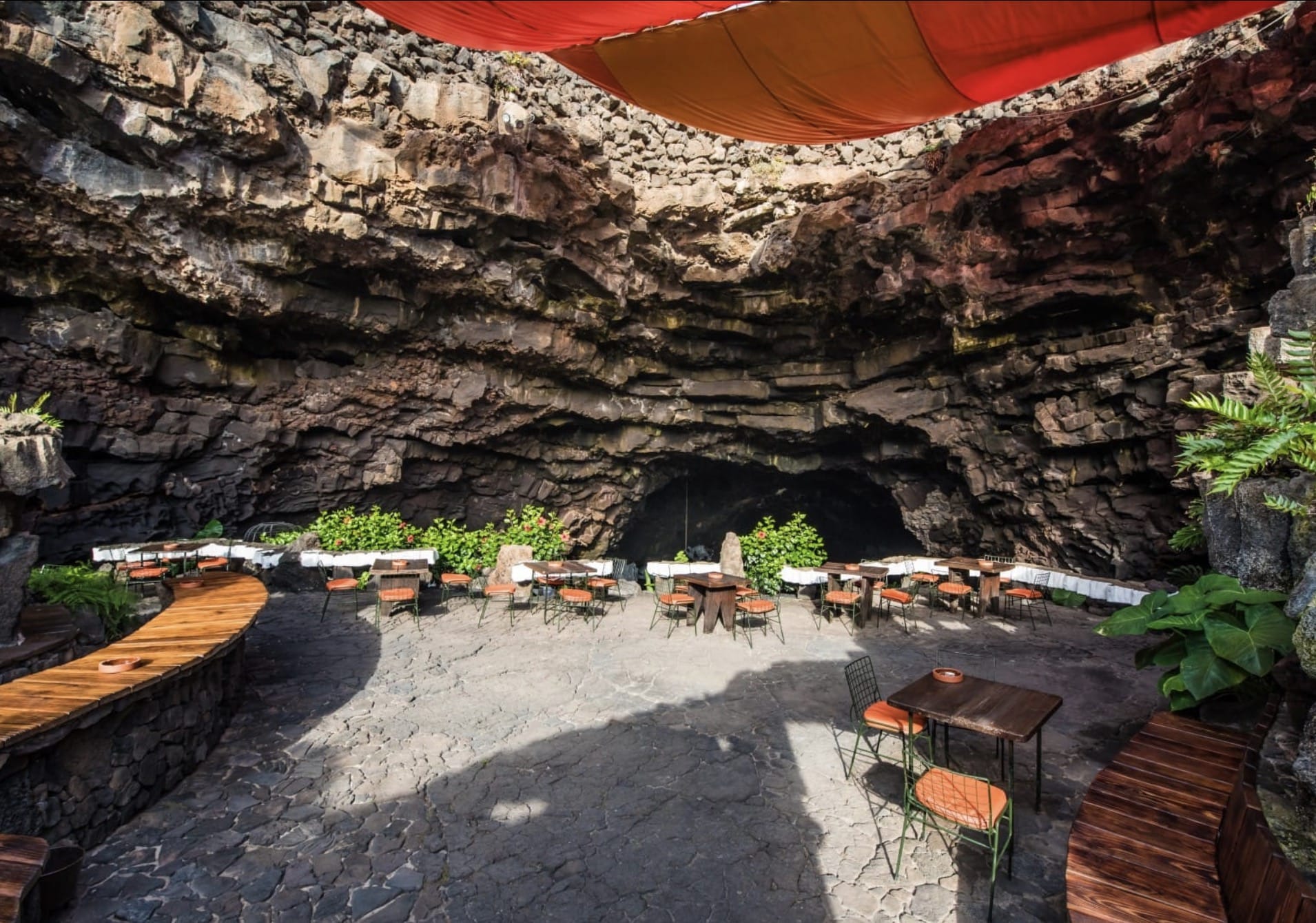
In addition, the complex has a panoramic restaurant where you can have lunch surrounded by volcanic stone and views of the interior lake. At night, the atmosphere becomes magical thanks to the warm lighting that highlights the contrasts of the environment.
Very close by is the Cueva de los Verdes, part of the same system of volcanic tunnels. Visiting both places on the same day will allow you to understand the magnitude of the eruption that formed this area of the north of the island.
Tip: visit the Jameos early or at sunset to avoid peak times. Don’t forget to wear comfortable shoes and a camera: every corner is a natural work of art.